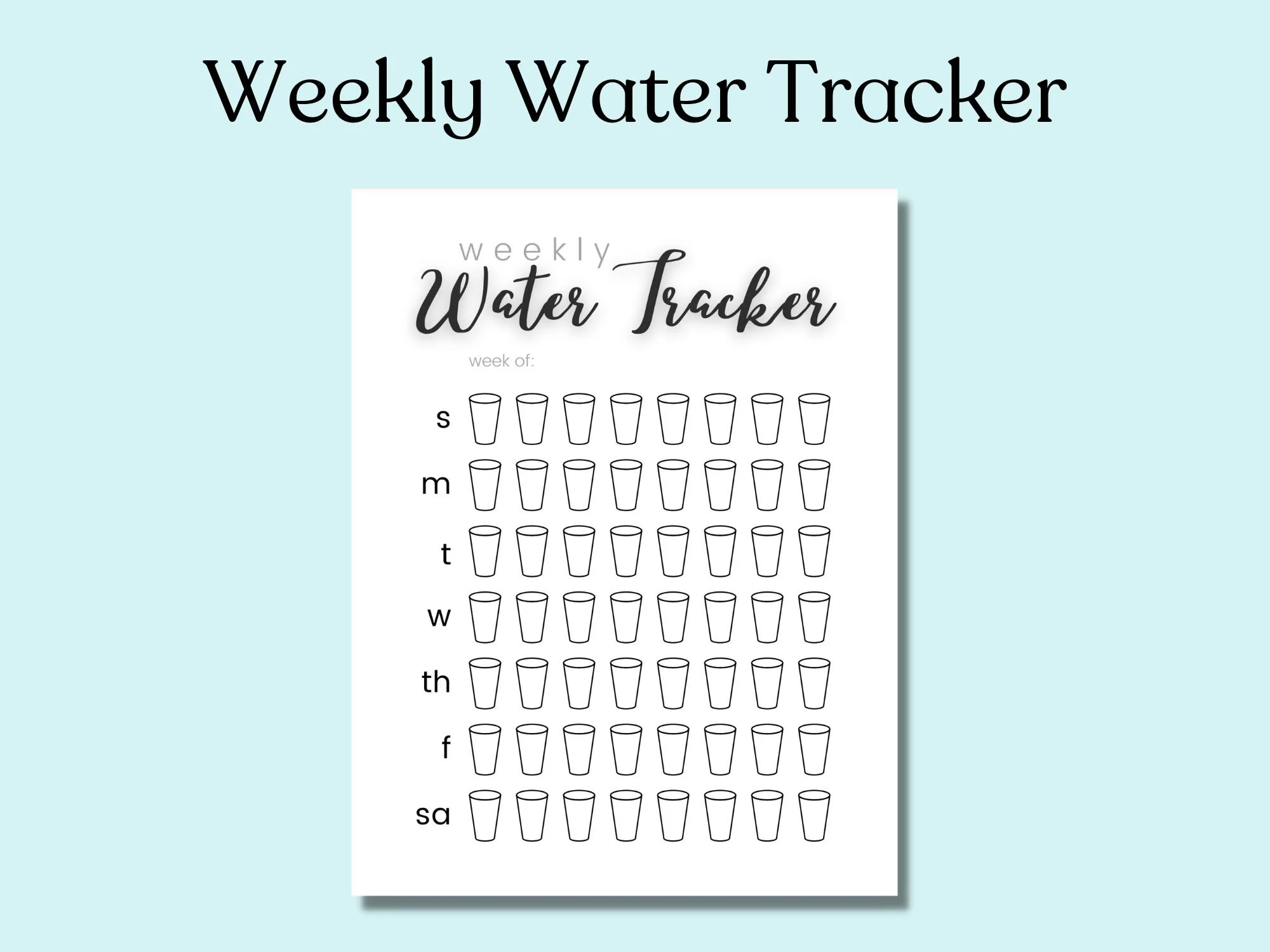
Paper Log
A simple sheet or notebook with time slots. Mark each glass with a tick or dot. No device needed — just a pen near your water spot.
A calm, structured approach to logging your daily water intake. Simple methods, clear patterns, and weekly reflections to keep your routine on track.
Tracking your water intake is not about strict counting — it is about building awareness. When you can see a simple record of your day, you begin to notice patterns: which time windows you tend to skip, which habits stick, and where a small adjustment could help.
Even the simplest log — four ticks on a notepad — gives your brain a sense of structure and progress. Over time, this awareness becomes its own motivator, reinforcing the habits you are building.
Choose a logging format that suits your lifestyle. The best method is the one you will actually use every day.
A simple sheet or notebook with time slots. Mark each glass with a tick or dot. No device needed — just a pen near your water spot.
Use any notes app, spreadsheet, or a dedicated tracker app. A quick entry after each glass keeps the record current without effort.
Use a marked or measured bottle as a visual tracker. When the bottle is empty, you know you have met that portion of your daily target.
A simple table with days across the top and time windows down the side. Fill in your logs daily and review at the end of each week.
Use this as a reference template for structuring your own daily tracking. Adjust amounts to suit your routine and target.
This template shows a sample schedule. Adapt the timing and quantities to match your own daily structure and comfort level.
Tracking is most effective when it feels light and frictionless. These principles help make it a lasting part of your routine.
A single mark per glass is enough. Do not over-engineer your log. The simpler it is, the more likely you are to maintain it daily.
Record each glass as you drink it, not at the end of the day. Immediate logging is more accurate and takes less mental effort.
Daily review can feel like pressure. A brief weekly look at your log gives you perspective and helps you adjust calmly.
When you notice a gap in your log, change just one thing. Adding too many adjustments at once makes it harder to identify what works.
After two to three weeks, you will begin to see your natural intake patterns. Use this information to reinforce what is already working.
A good week is one where you tracked and reflected — even if you missed a session. Consistency over time matters far more than a perfect single day.
If you are just starting out, explore our water habit guides to build the routine that your tracker will support.